


Bits: building Intruder's design foundation for scale
Intruder is a cybersecurity SaaS platform that was scaling fast — but its UI couldn't keep up. I proposed, initiated and led Bits — a cross-functional design system initiative that brought consistency to the product, improved quality across the board, and enabled the team to ship faster. Over 12 months, I coordinated design, engineering, and product management to deliver a system that fundamentally changed how the team builds.
The challenge
When inconsistency becomes a barrier to growth
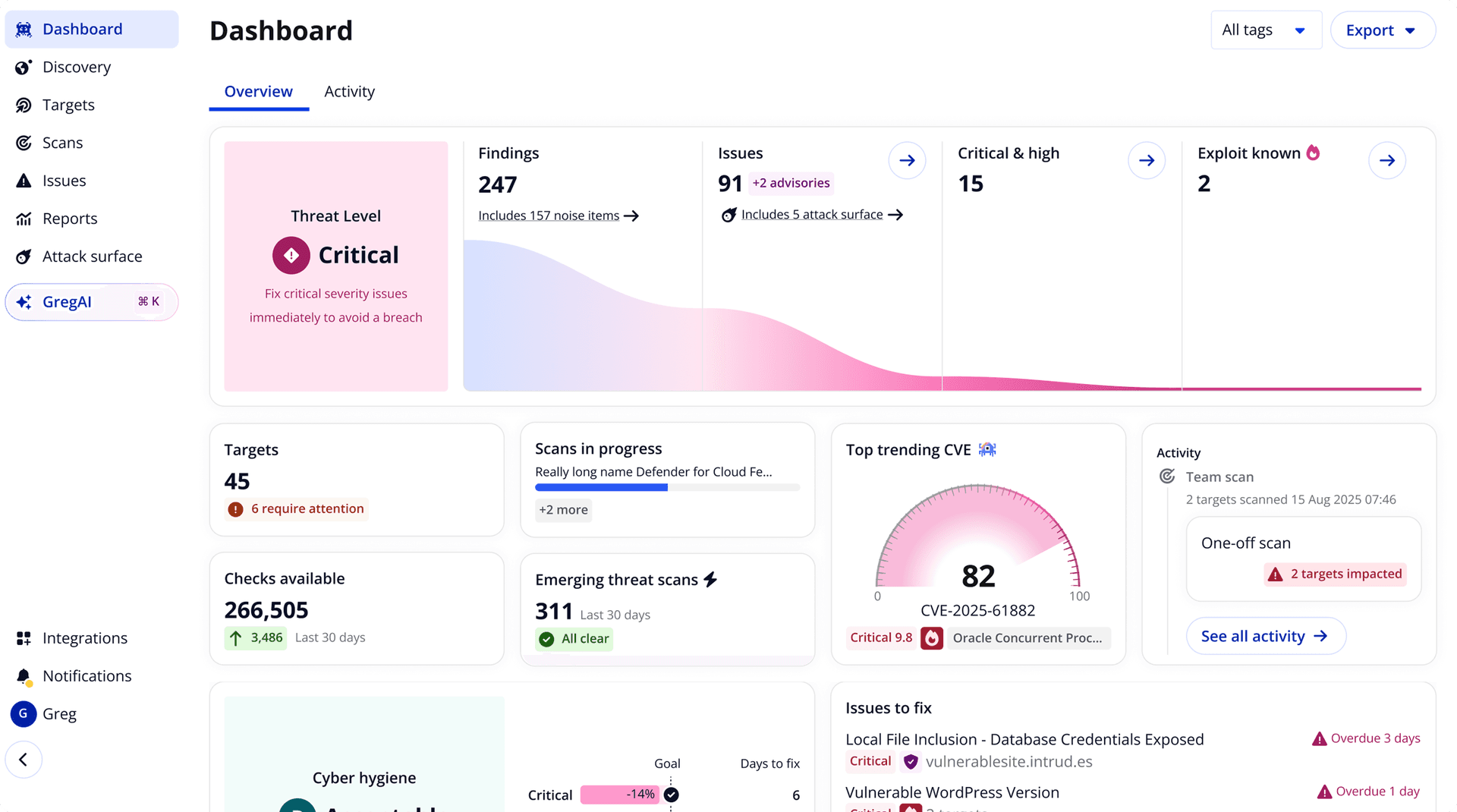
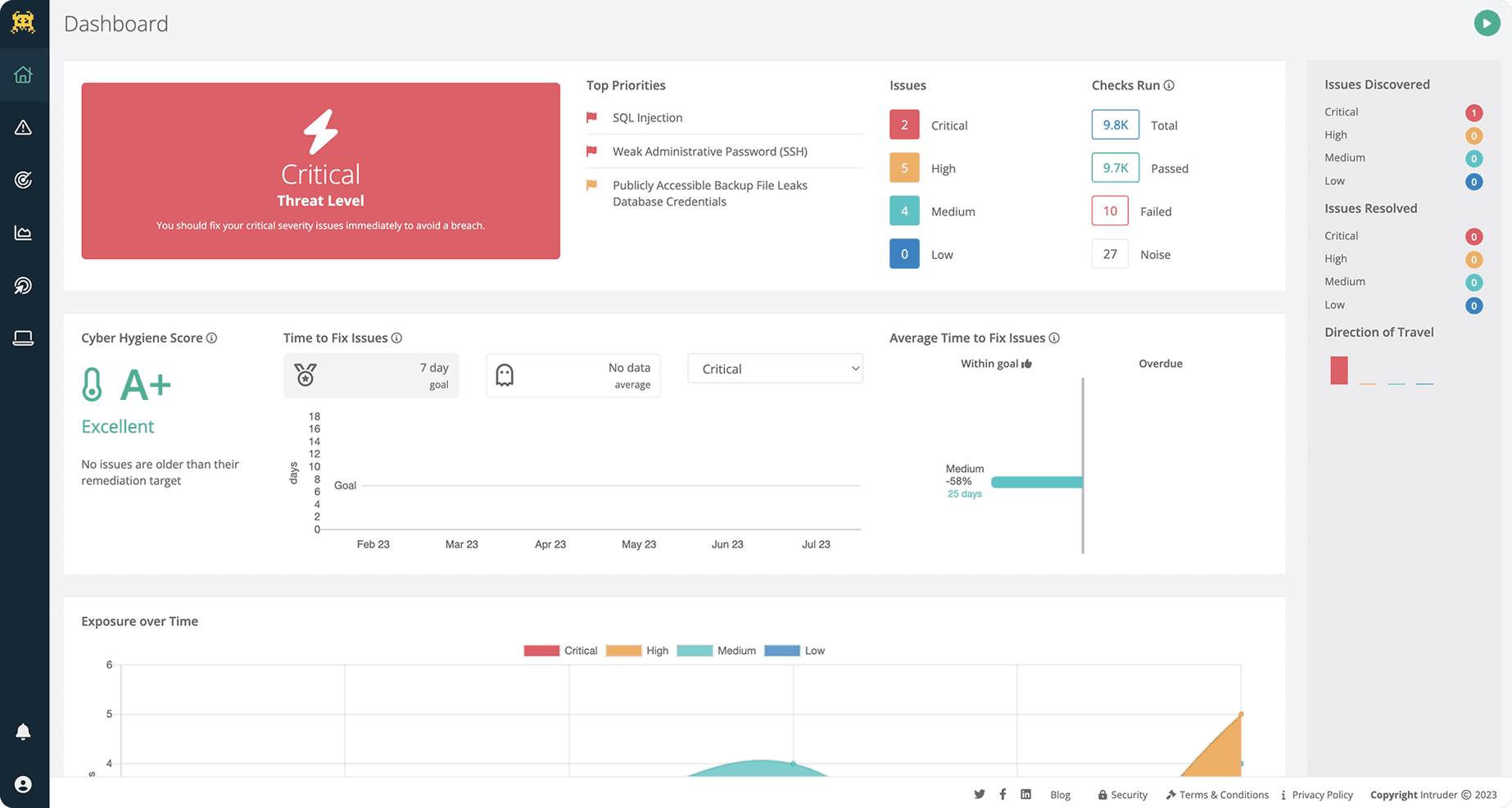
By early 2023, Intruder's rapid product growth had created a familiar problem: designers were recreating similar components for each new feature, developers were building one-off solutions that couldn't be reused, and the interface was becoming increasingly fragmented.
The business case was clear: without a systematic approach, team velocity would continue to decline as product complexity increased. I built the case showing how design system investment would accelerate feature development, reduce technical debt, and improve product quality — convincing stakeholders to invest a full year in foundational work.


Strategic approach
From brand identity to modular architecture
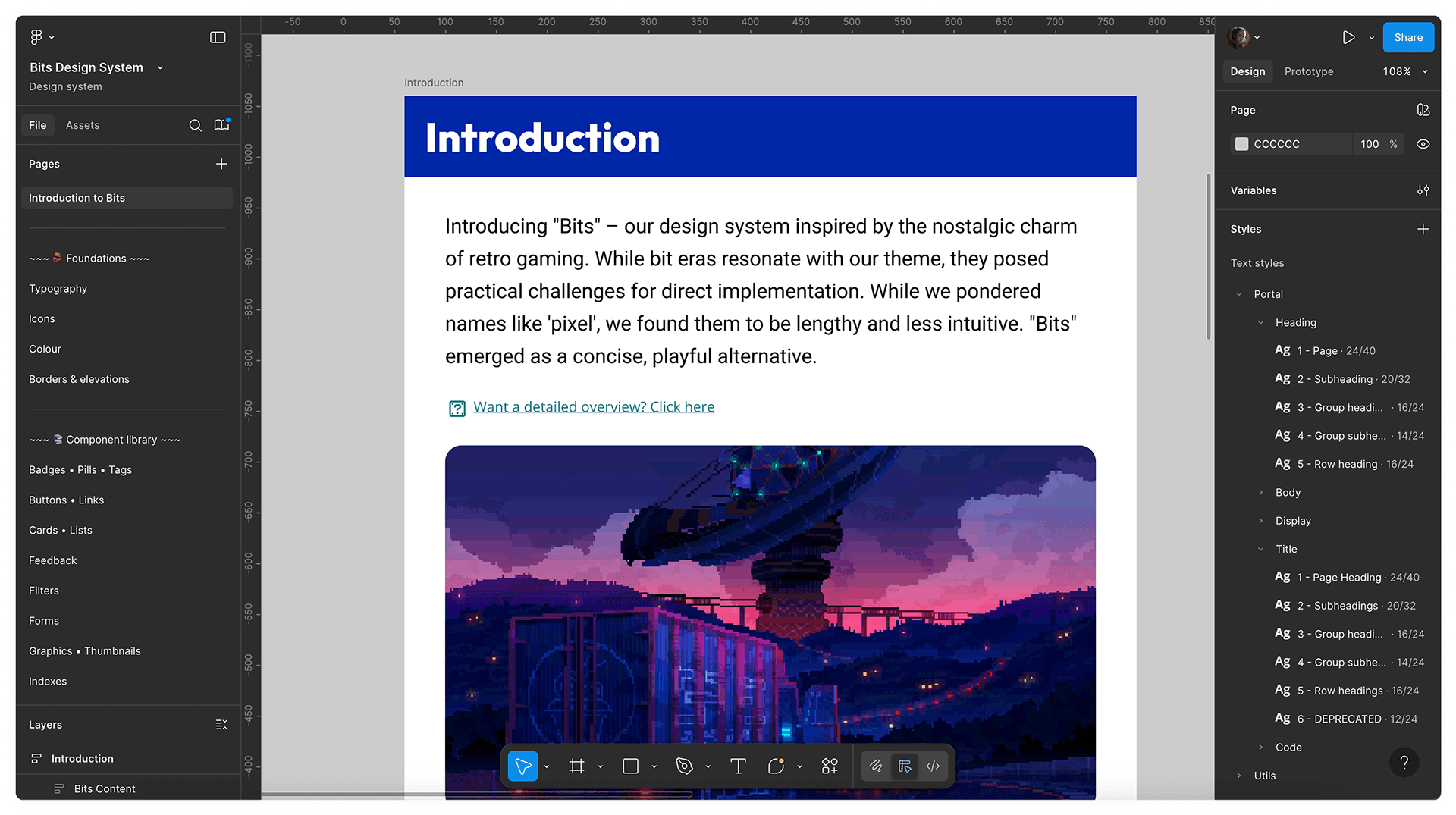
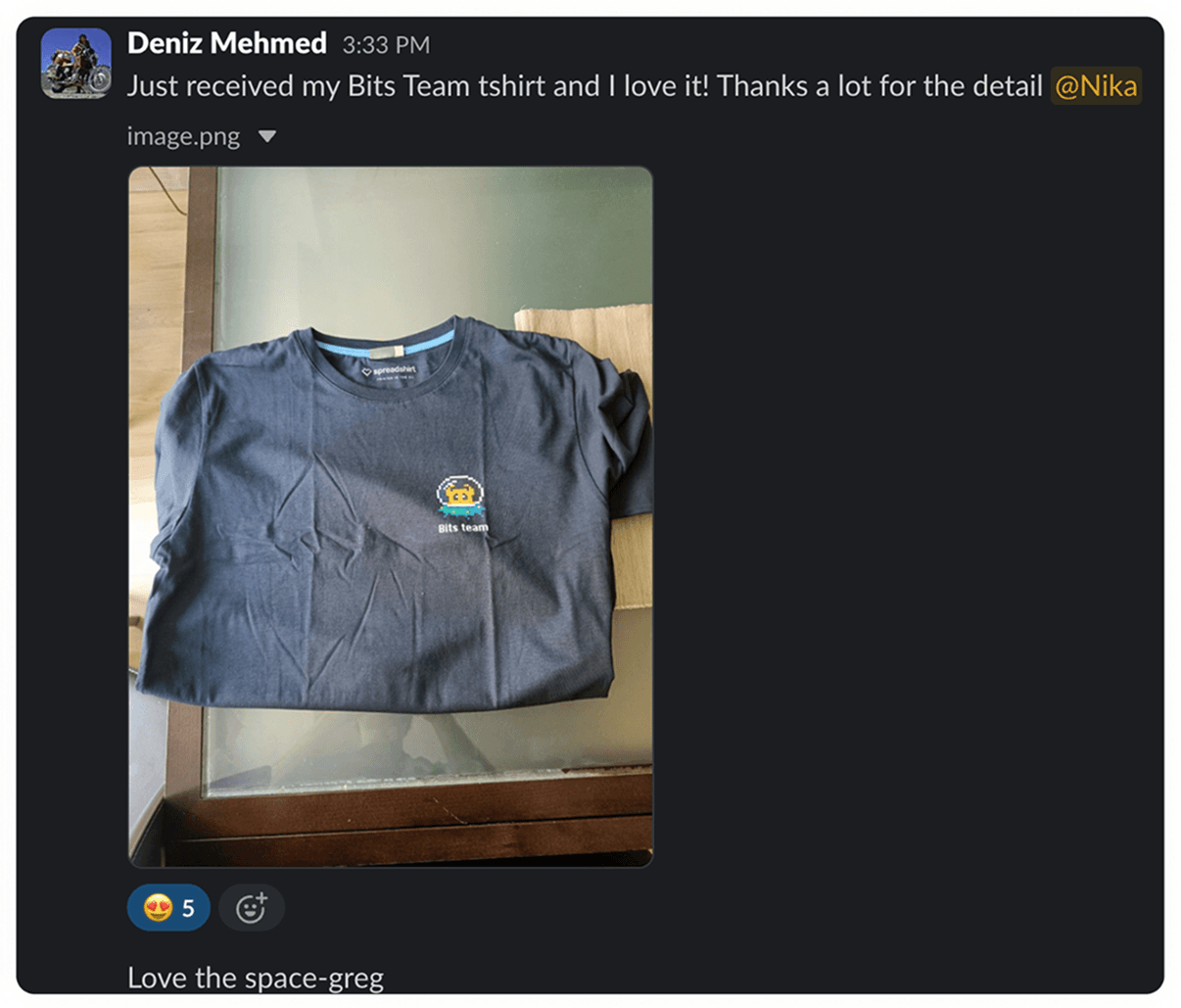
Drawing inspiration from Intruder's retro gaming-themed brand, we named our design system "Bits" — communicating both the brand personality and the modular nature of the system. Following Brad Frost's Atomic Design methodology, I structured the component hierarchy like Lego blocks — modular, versatile, and endlessly combinable.
The design system needed to reflect Intruder's unique brand identity while solving real usability and efficiency problems. Every strategic decision was guided by one principle: usability over visual novelty.
The system
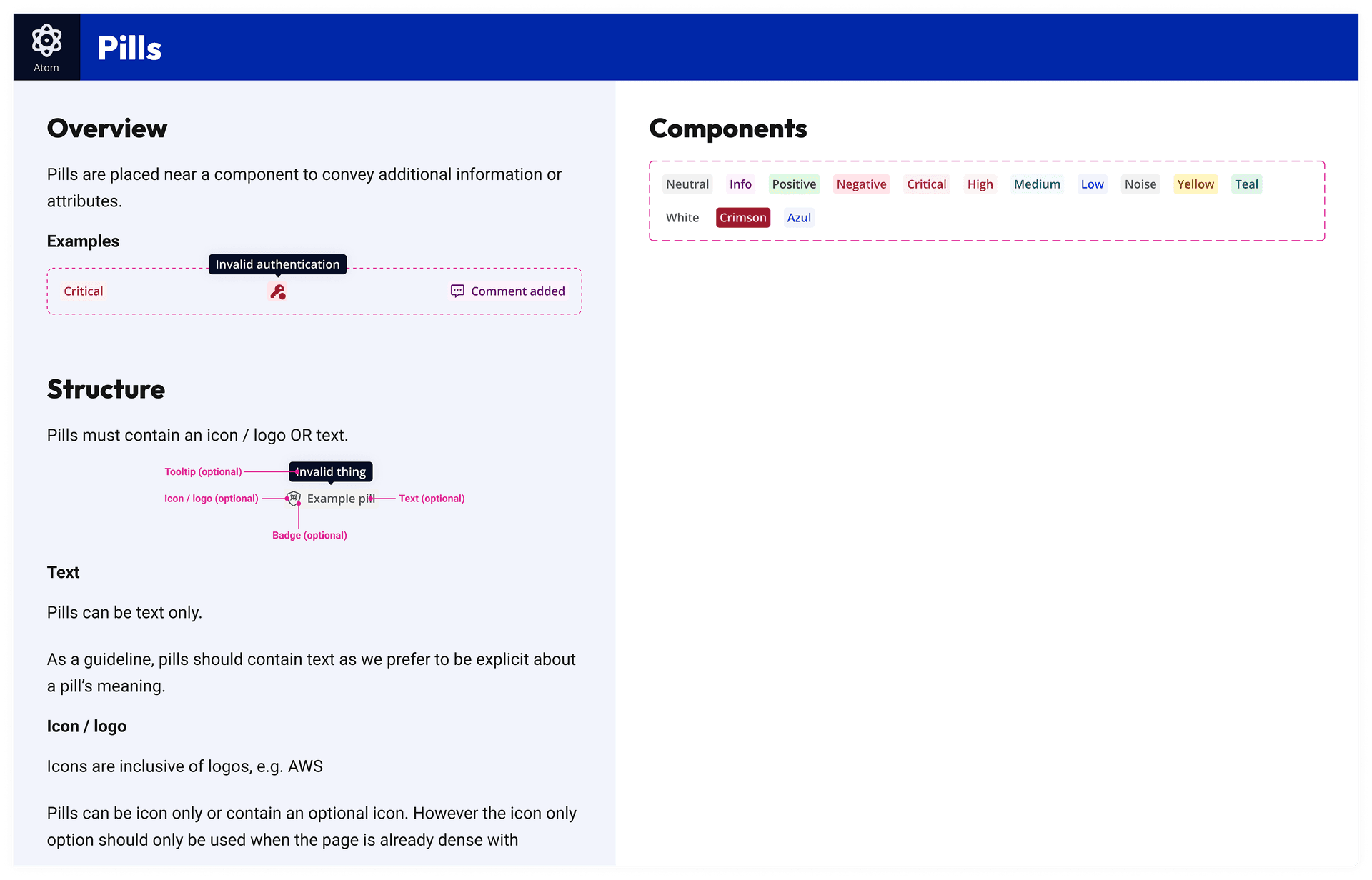
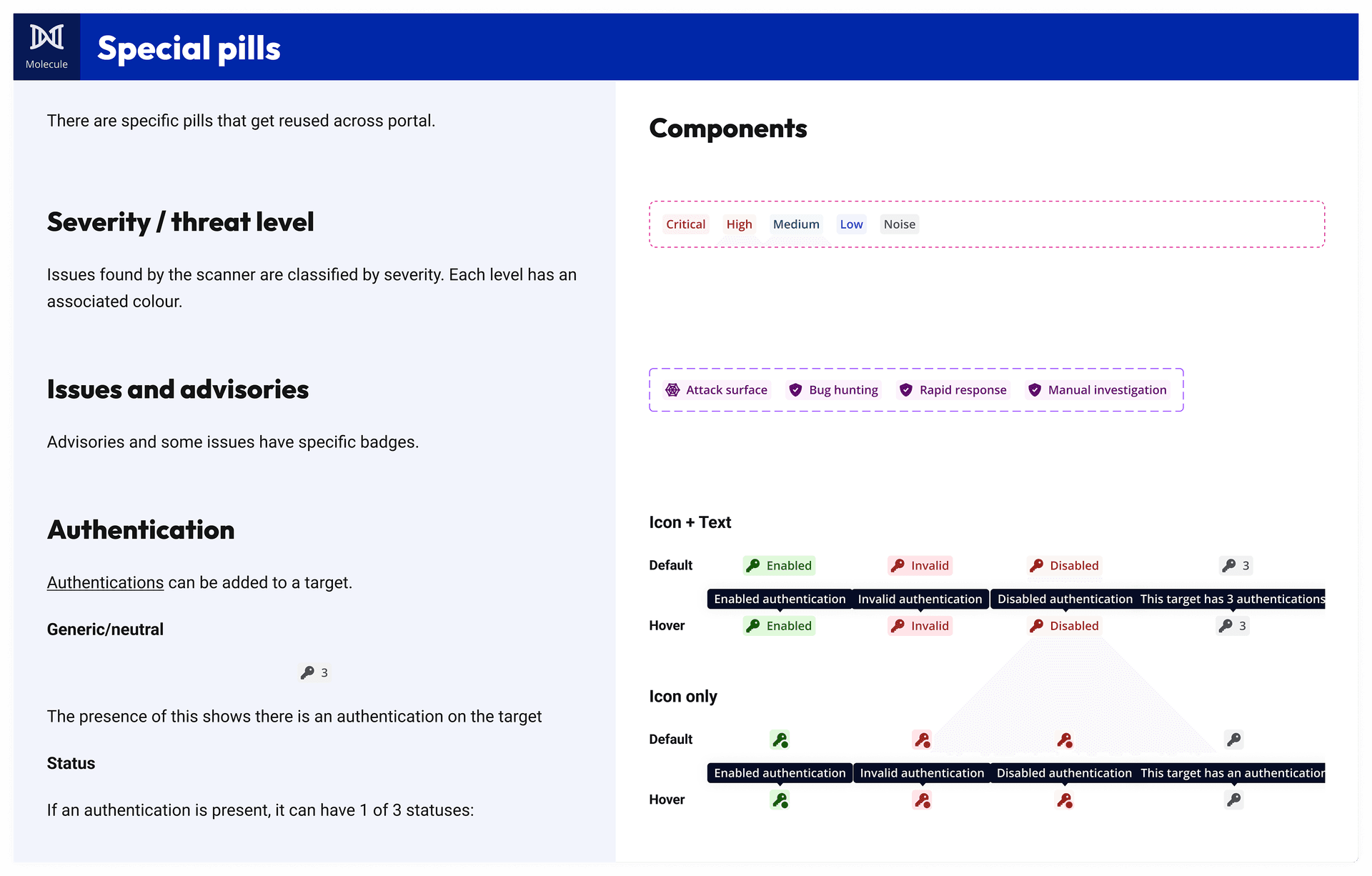
40+ components built for real workflows
Every component prioritised user experience over visual novelty. I created comprehensive guidelines covering usage principles, customisation boundaries, and best practices. Clear documentation standards and regular check-ins enabled cross-team collaboration.
I prioritised component updates based on user impact and business value — high-traffic flows received attention first. The rollout combined major component overhauls for visual impact with subtle improvements for smoother transitions, supported by comprehensive developer documentation including design tokens, interaction specs, and usage guidelines.
Implementation
Balancing impact with operational reality
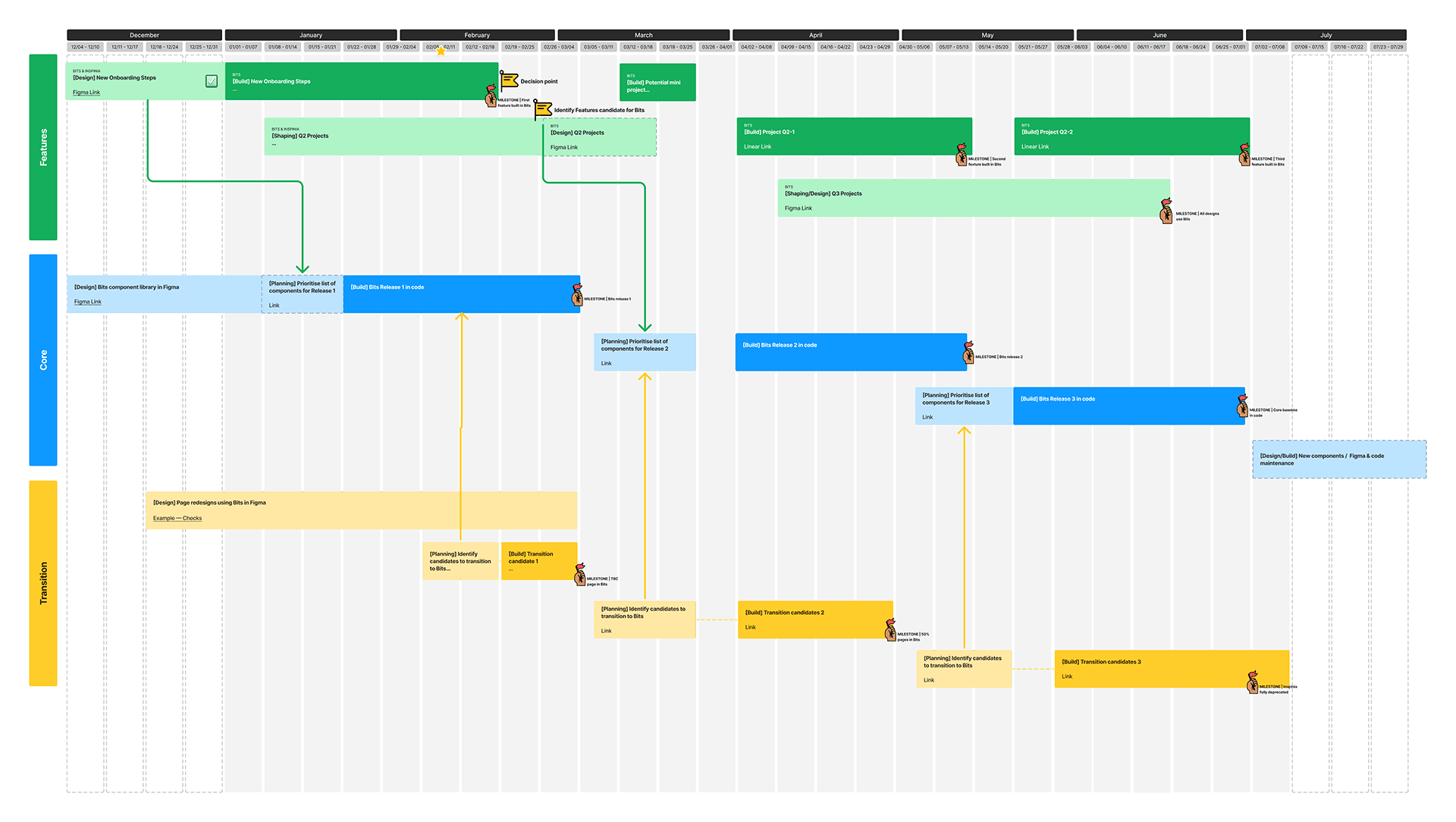
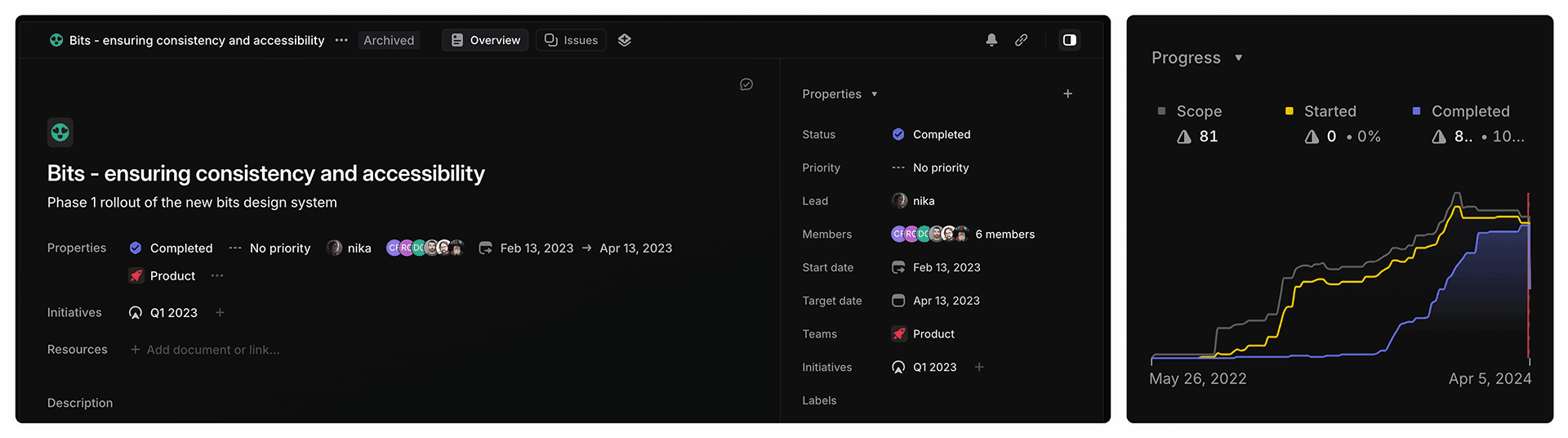
Coordinating between design, engineering, and product management across time zones, I developed a 12-month timeline balancing system development with ongoing feature delivery. Over-communication and comprehensive documentation kept everyone aligned.
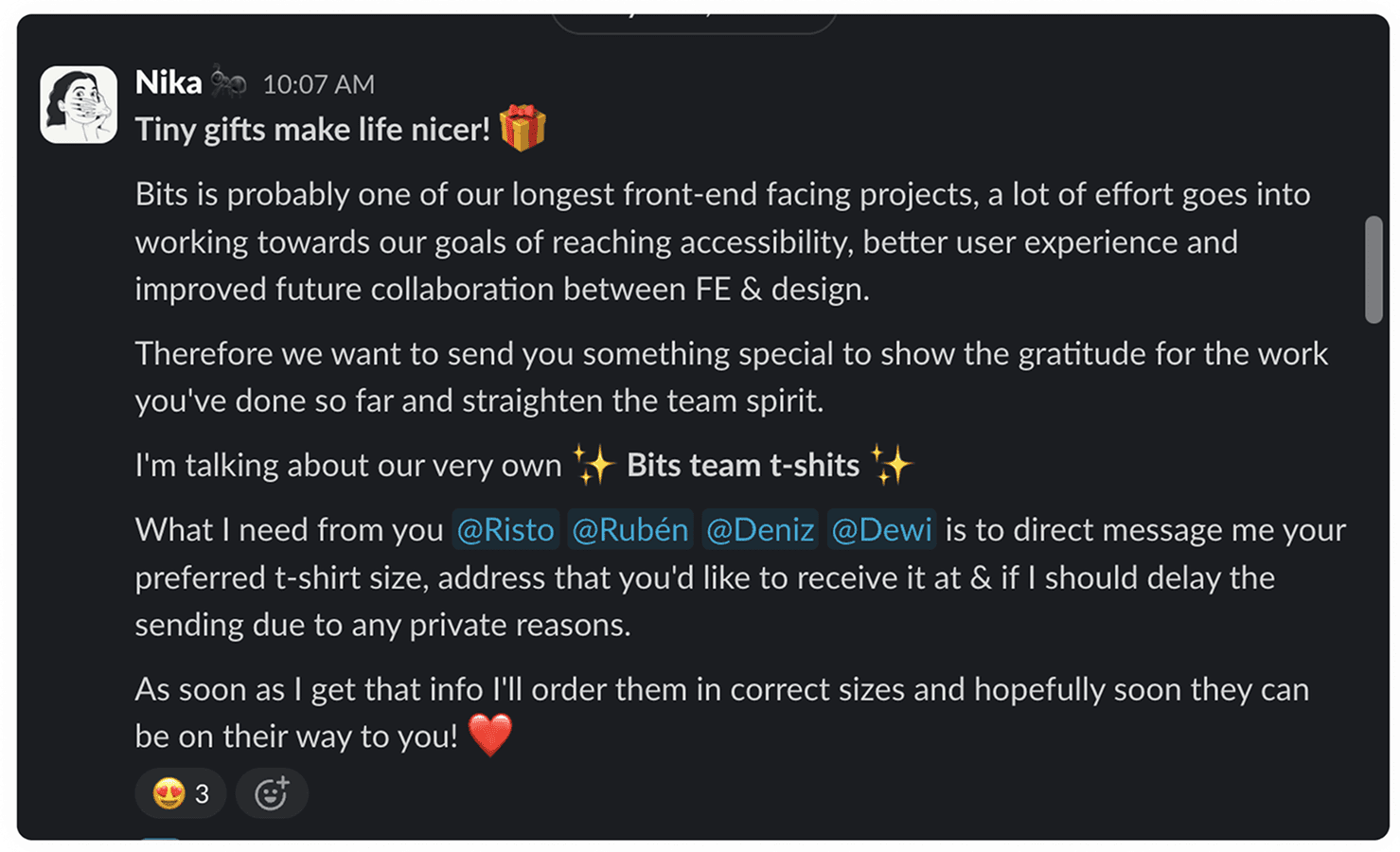
Continuous feedback loops ensured the system evolved based on real needs rather than theoretical perfection. While the vision stayed consistent, implementation tactics adapted constantly based on resources, priorities, and team feedback.
Transformation
Redesigning every surface of the product
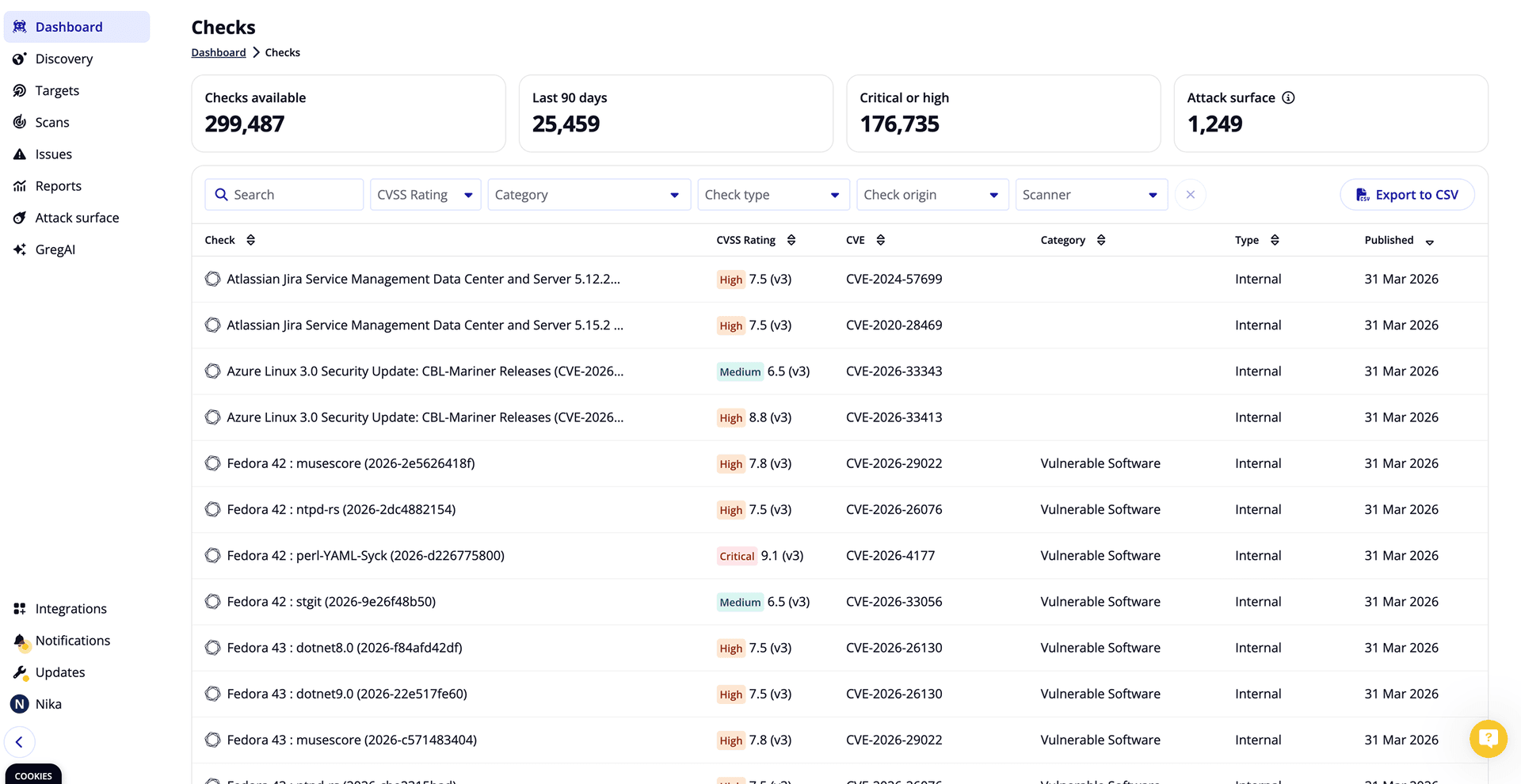
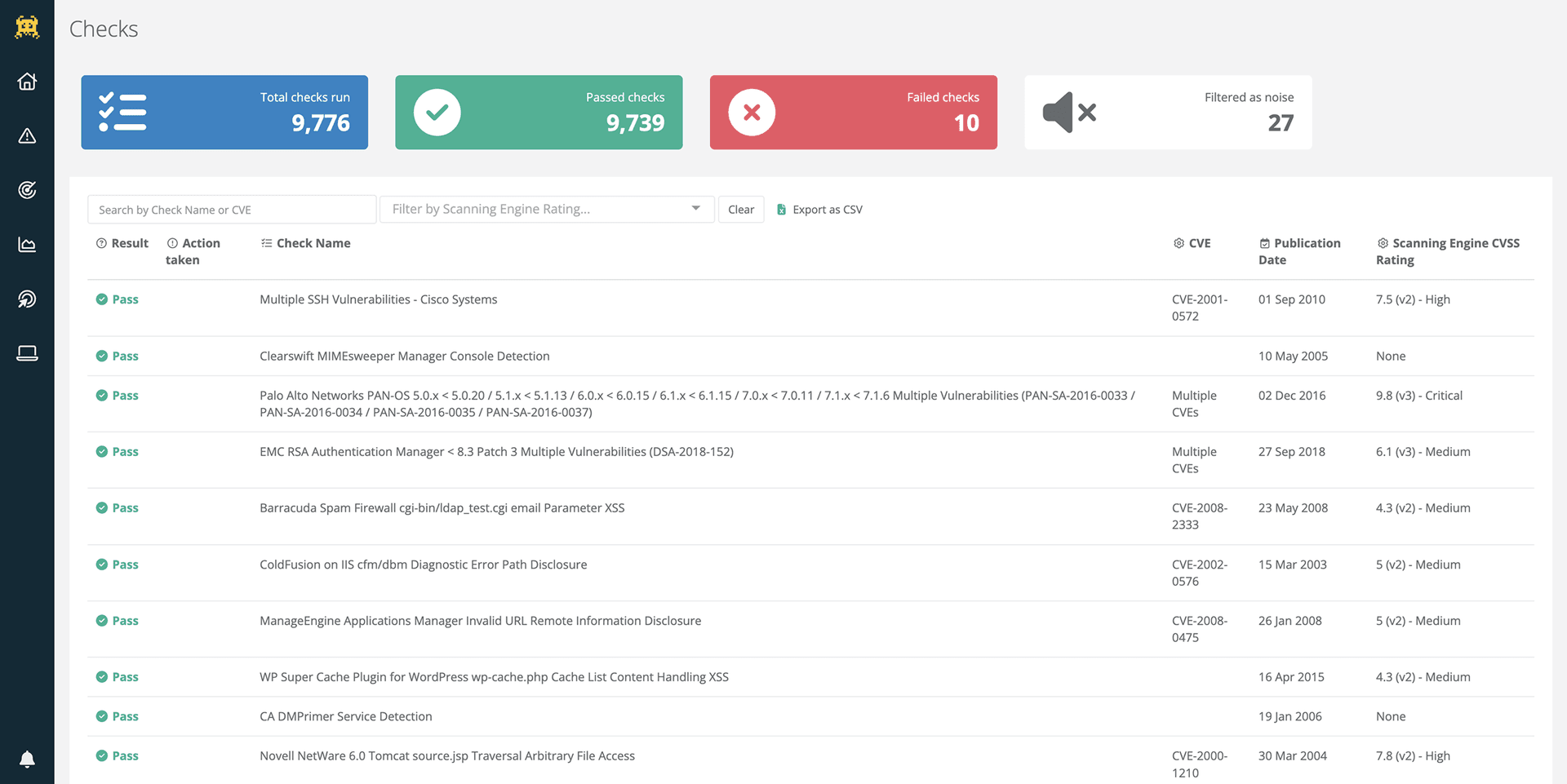
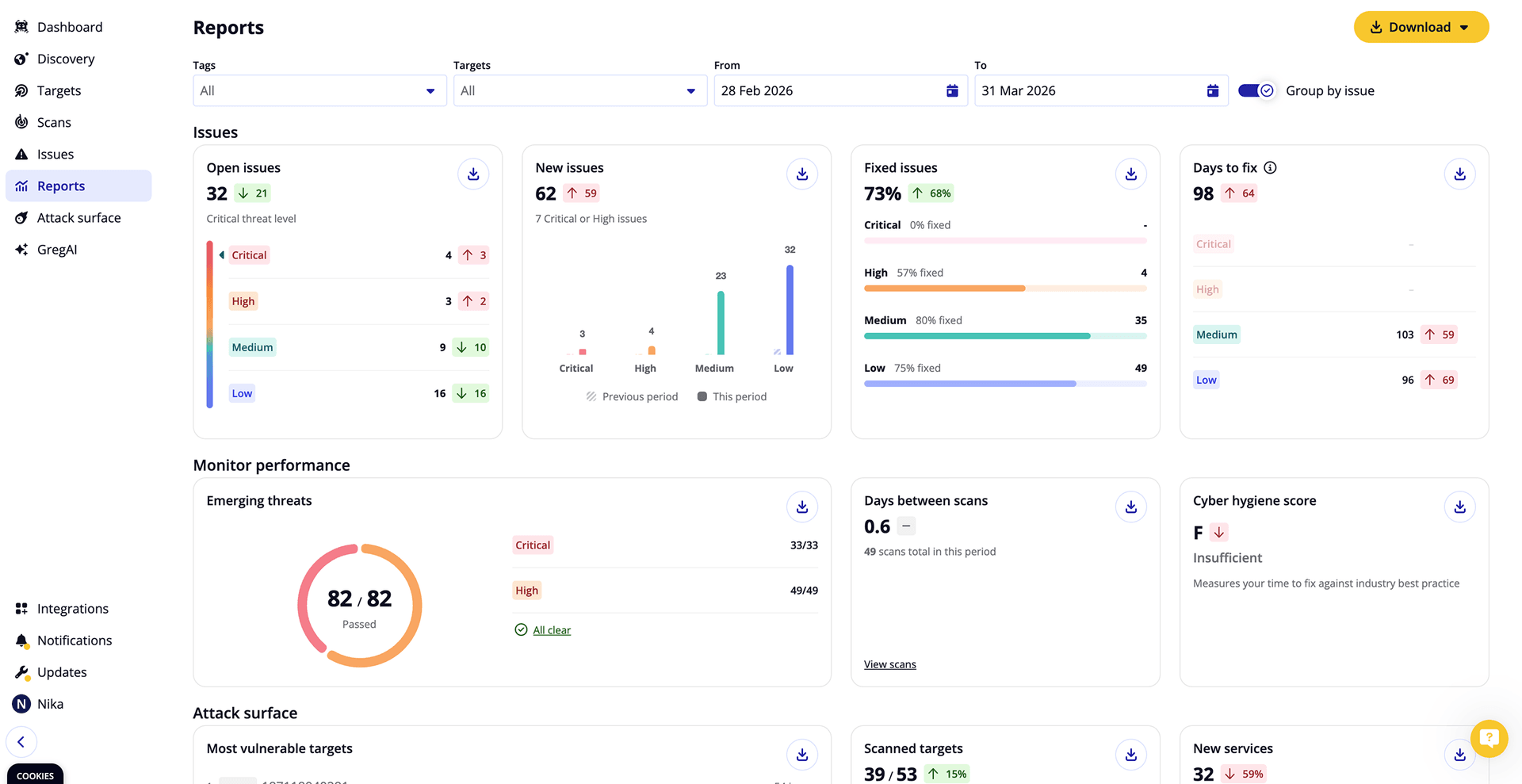
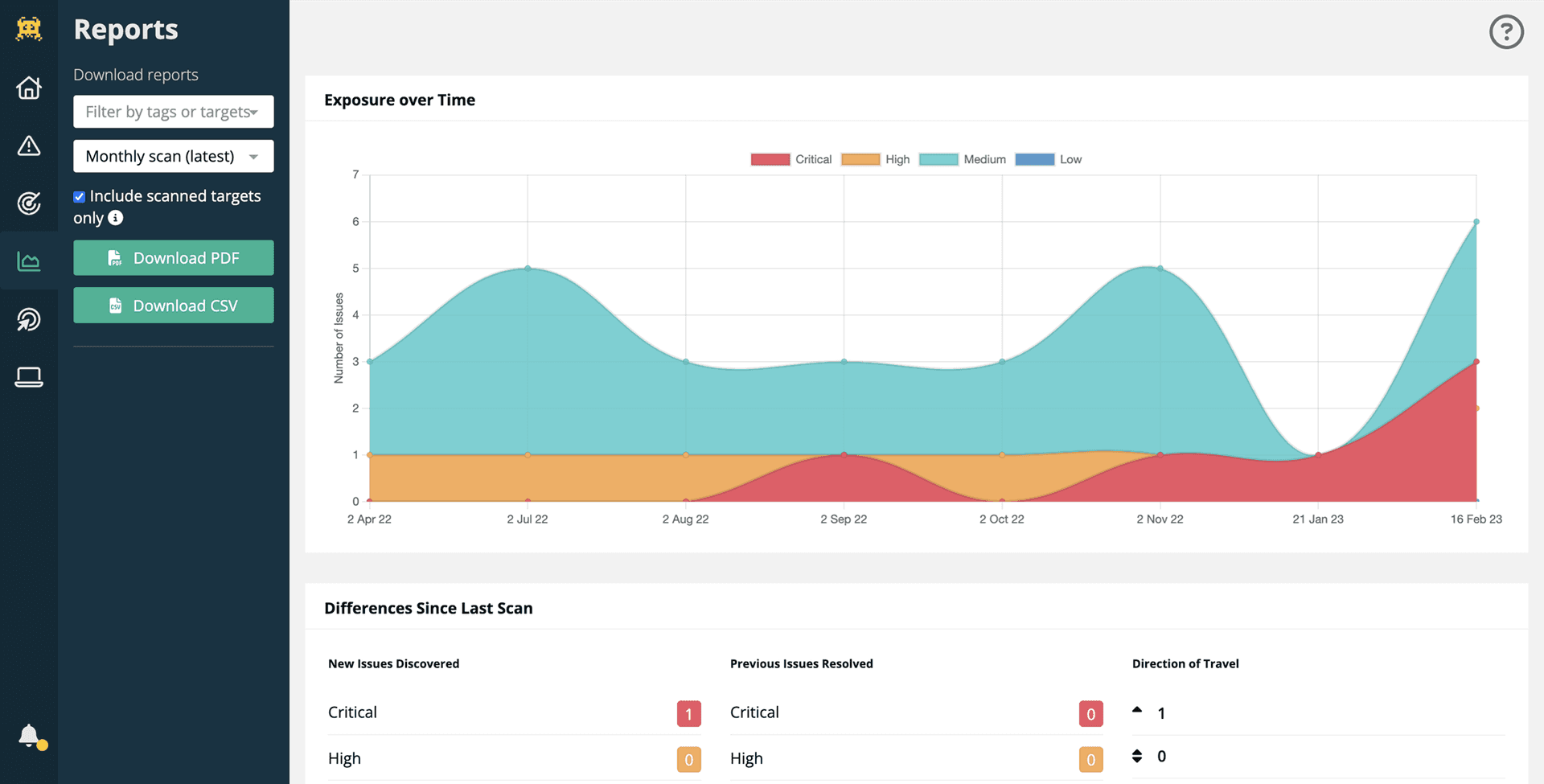
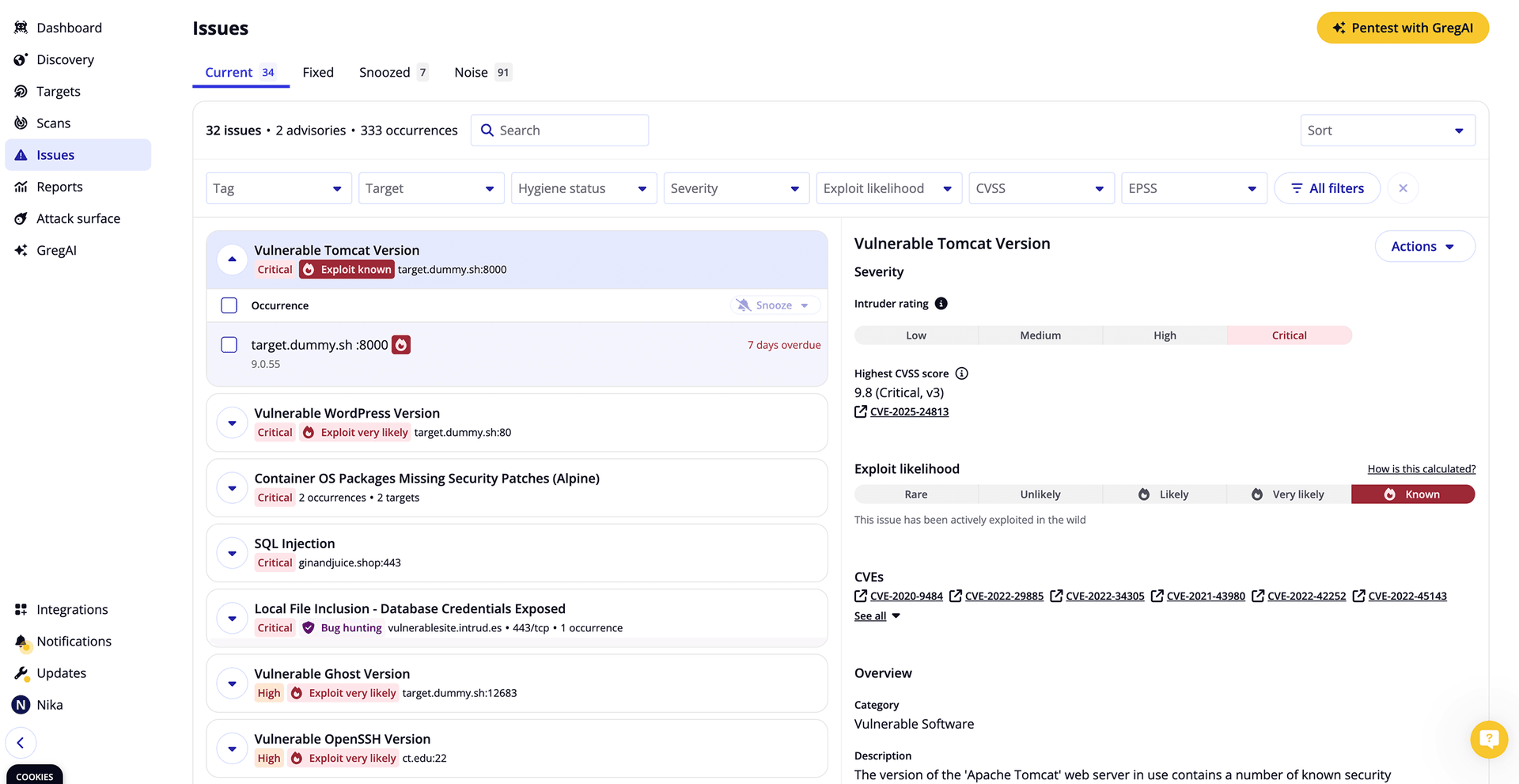
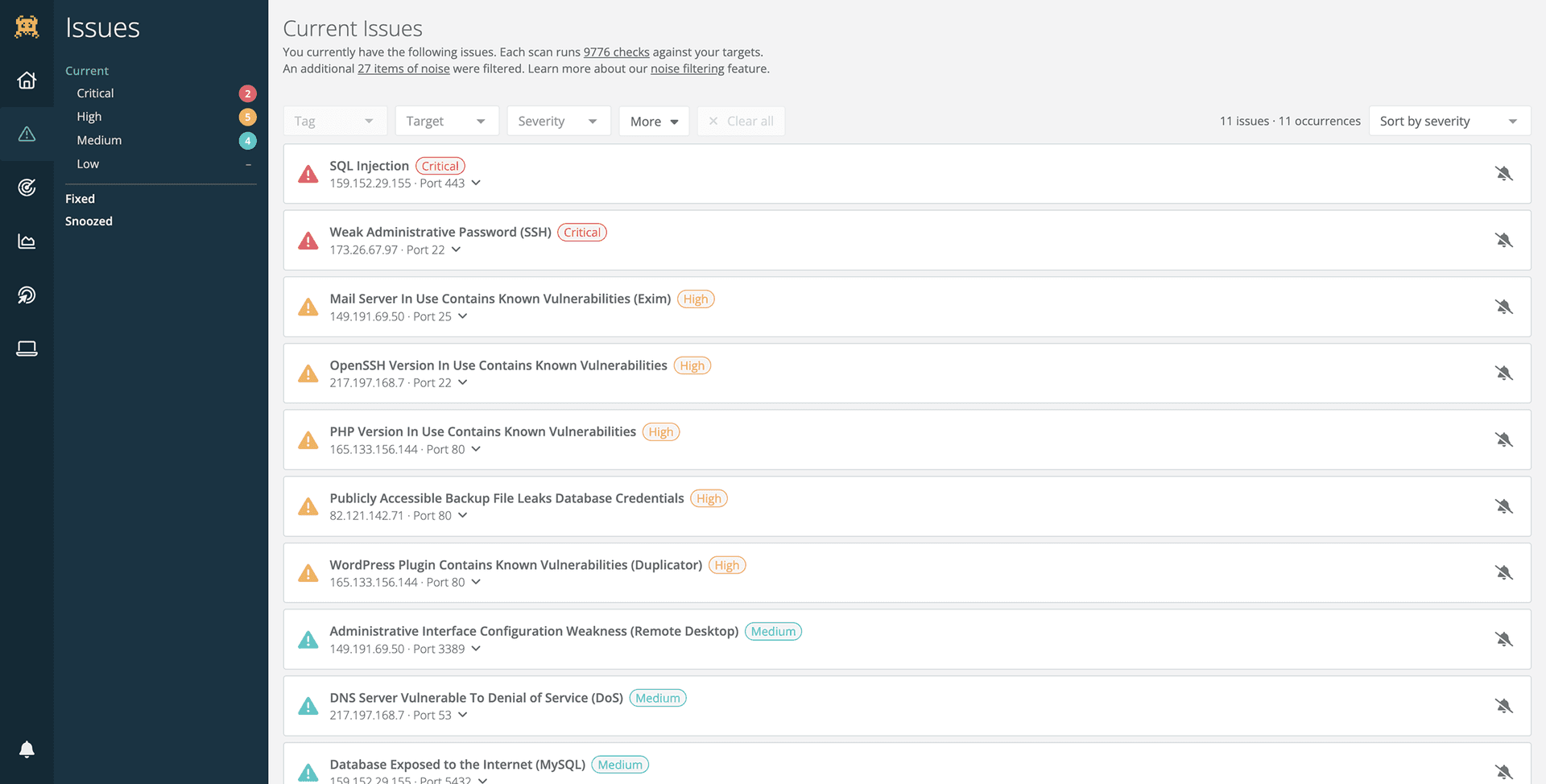
The design system transformed every major page in the product. Here's a side-by-side comparison of key screens — the “After” versions show the cohesive, systematic approach that replaced ad-hoc designs.
Checks page
Reports page
Issues page
Learnings & results
What made this successful?
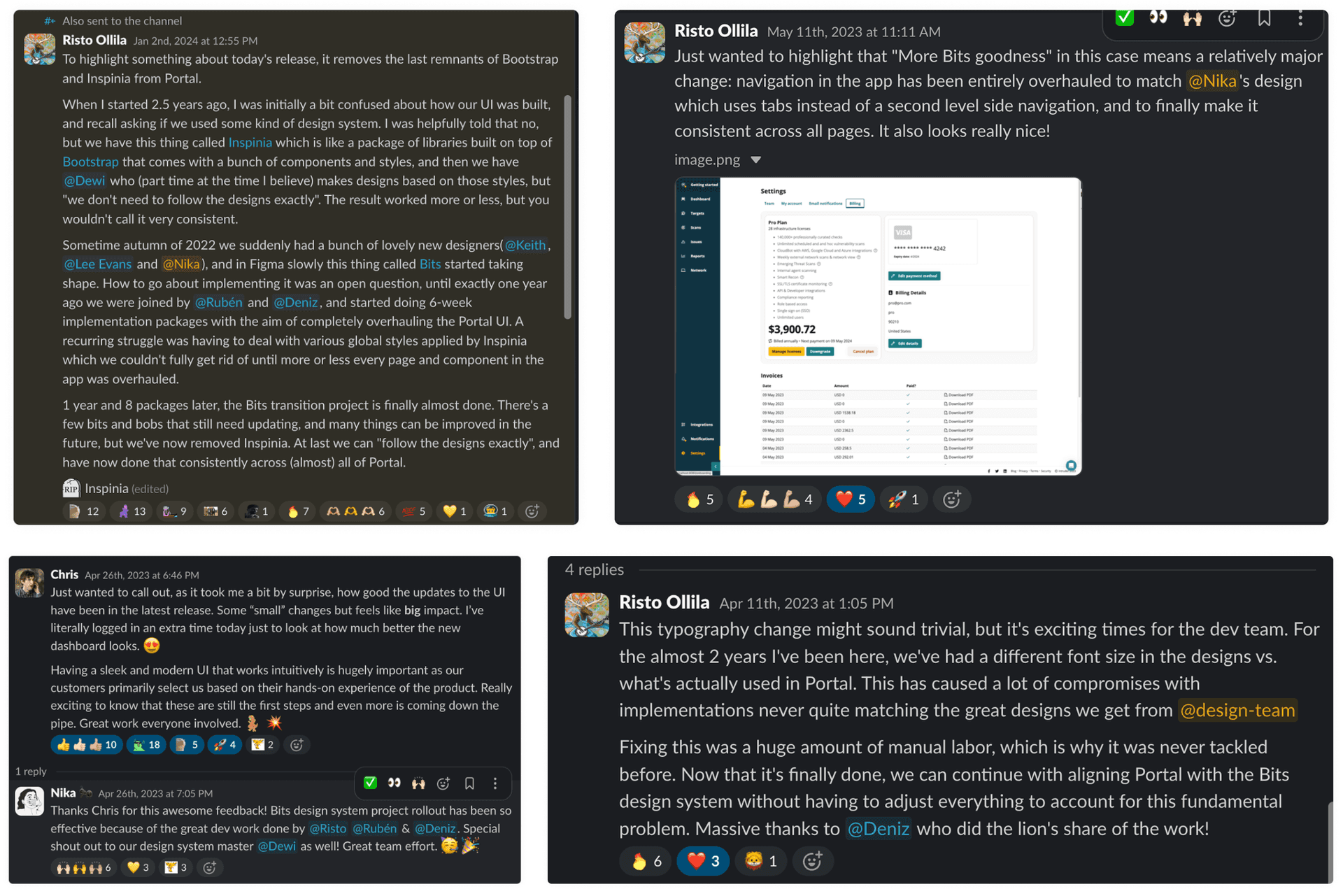
Success depended on translating design system benefits into business metrics — development velocity, maintenance costs, and UX improvements. With team members across time zones, over-communication and comprehensive documentation kept everyone aligned.
Feature development time decreased 34% as developers leveraged existing components. Designers reported 3× faster mockup creation with reduced QA and handoff cycles. New team members onboarded in weeks rather than months, and the systematic approach eliminated interface inconsistencies that had been reducing task completion rates. 100% team adoption within 6 months proved the system's value wasn't just theoretical — it was embedded in how the team worked every day.
Reflection
Design leadership beyond pixels
This project showed how design leadership extends beyond visual problem-solving into business strategy, project management, and organisational change. Design systems serve as multiplication factors for team capability — every future decision benefits from previous work, creating compounding value.
I wrote about the journey on Intruder's blog — read the full article.